The Chef’s Cheat Sheet: 5 Gluten-Free Flours That Actually Work
I recently got an "urgent" call from my little sister. She was standing in the supermarket aisle, staring at a wall of Buckwheat, Chickpea, and Rice flours, completely overwhelmed. "Which one do I use to batter?!" she panicked. If you’ve ever felt that supermarket vertigo, this is for you.
The Golden Rule: It’s Not a 1:1 Game
From my long hours spent making delicate Afternoon Teas at The Ritz, I learned that precision is everything—especially when you move to an anti inflammatory diet. Gluten free flours are not interchangeable. You can’t simply swap wheat for coconut flour and expect a cake; you’ll end up with a brick.
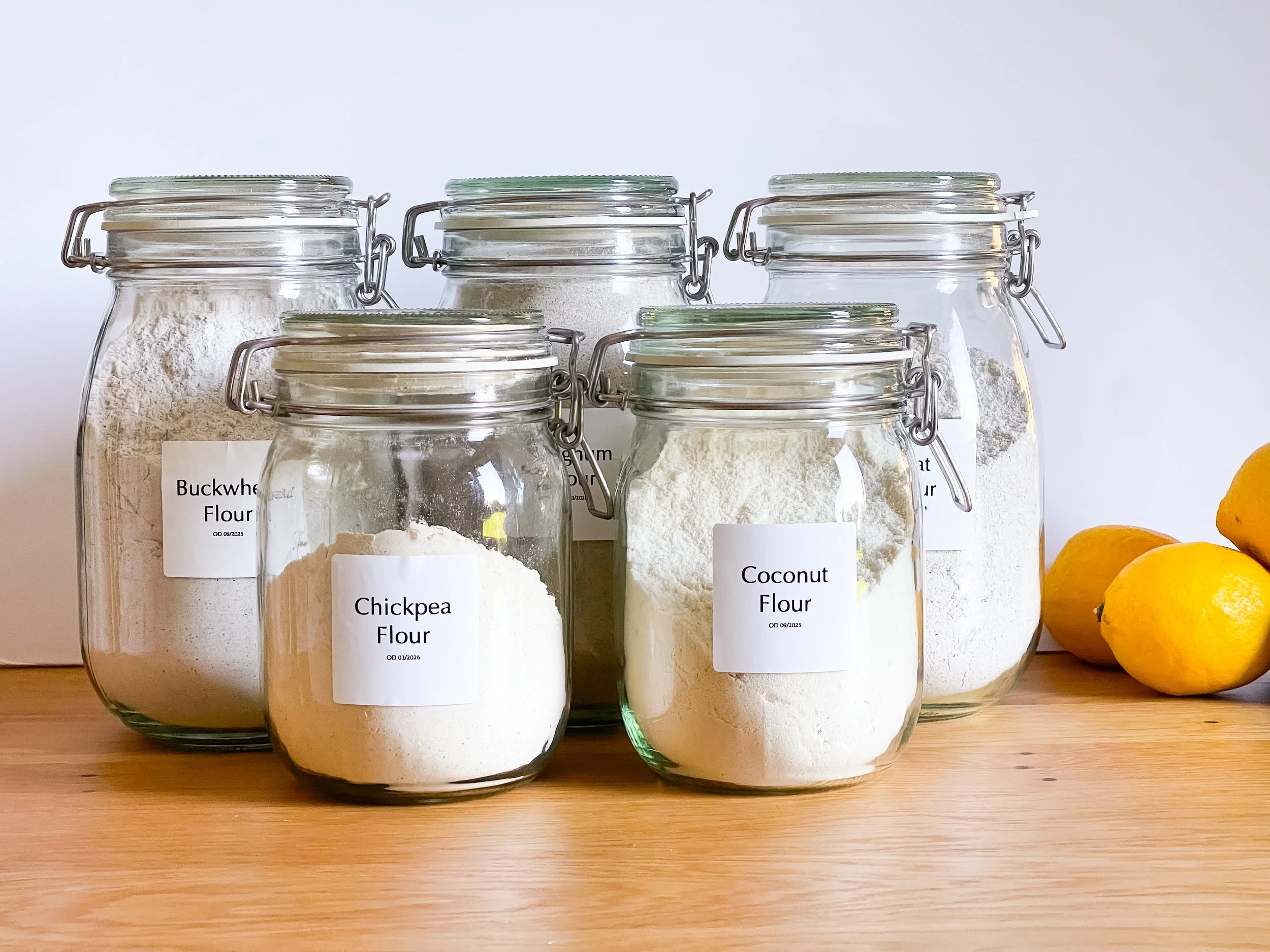
The Essential Five: My Go-To Flours
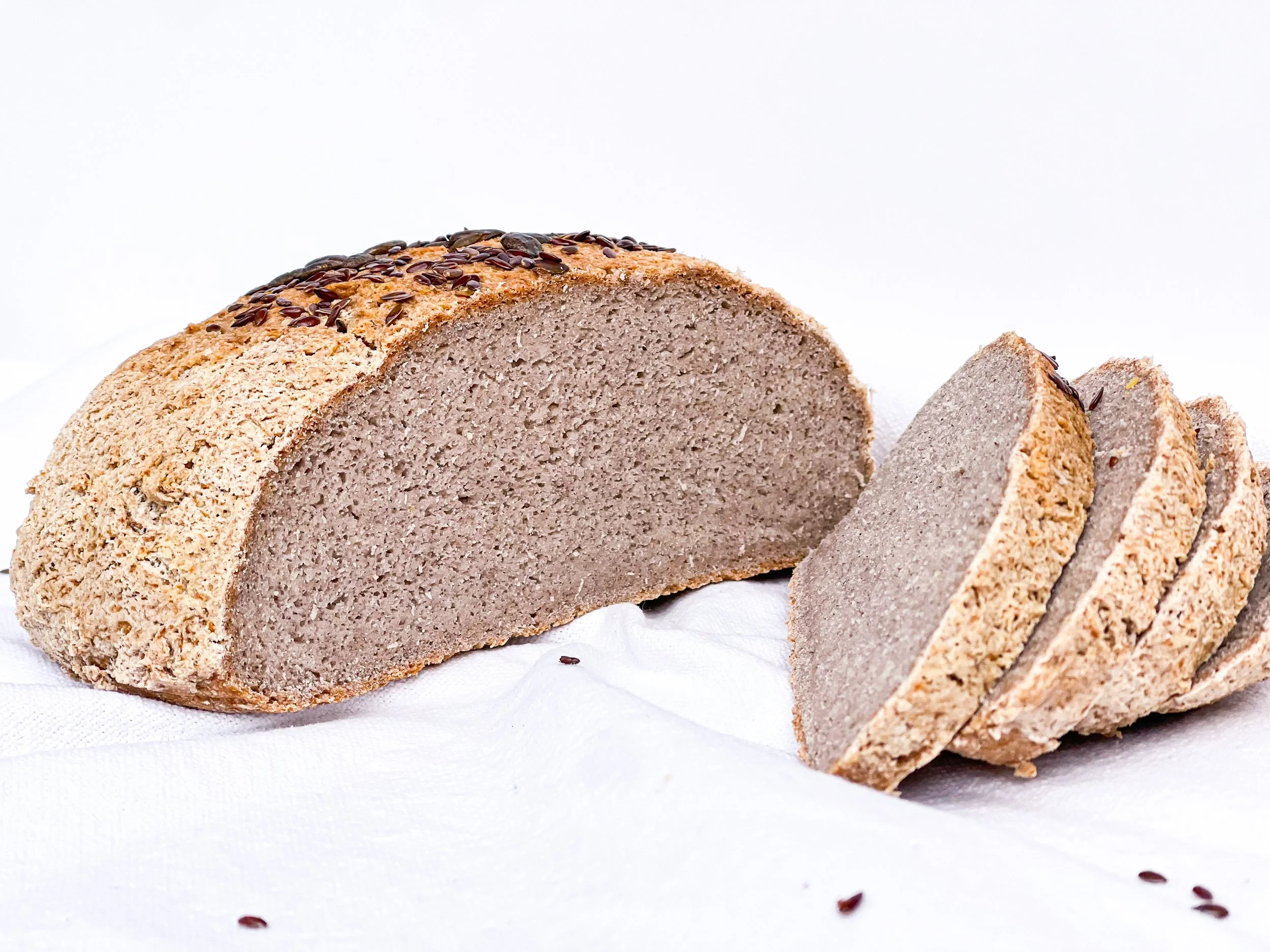
Buckwheat Flour
Earthy and rich.
My go-to for savory muffins and my artisan sourdough-like loaf.
Density: Dense but lighter than oat.

Oat Flour
Hearty & Wholesome
The household workhorse. Ideal for Banana Bread, Pancakes, and Muffins.
It’s the closest "weight" to wheat—watch not to overmix or it becomes quite compact.
Chef’s Tip: Buy certified GF to avoid cross-contamination.
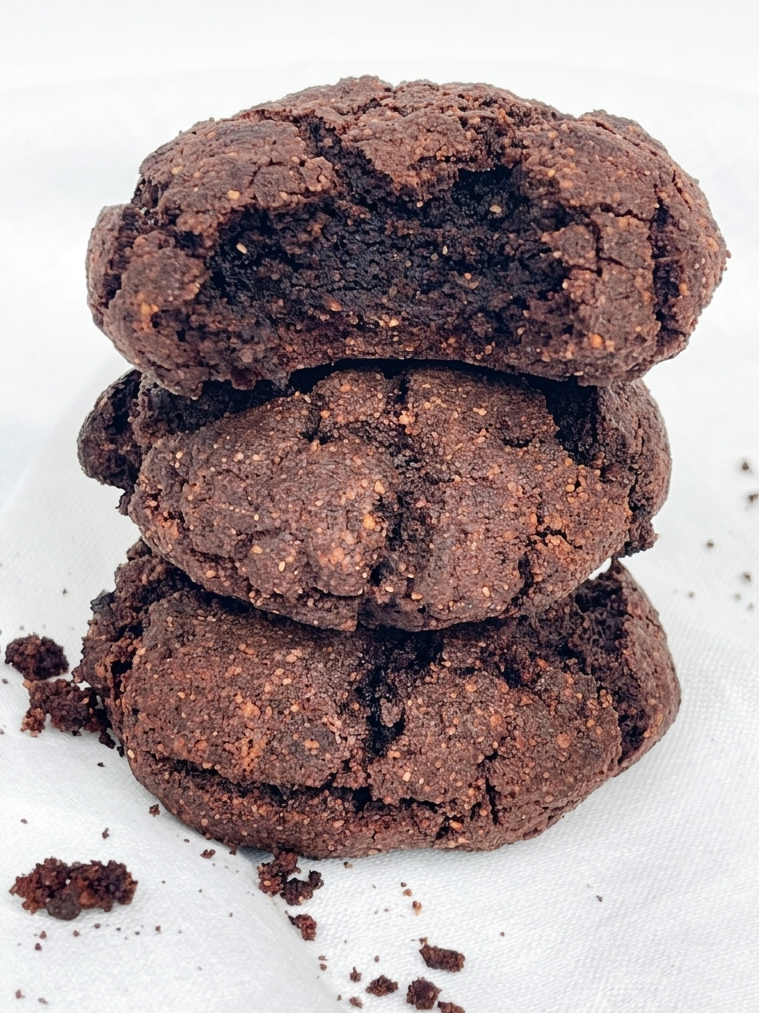
Coconut Flour
Sweet and delicate.
Perfect for baking cookies and cakes.
Density: Extremely absorbent—it "drinks" your wet ingredients!
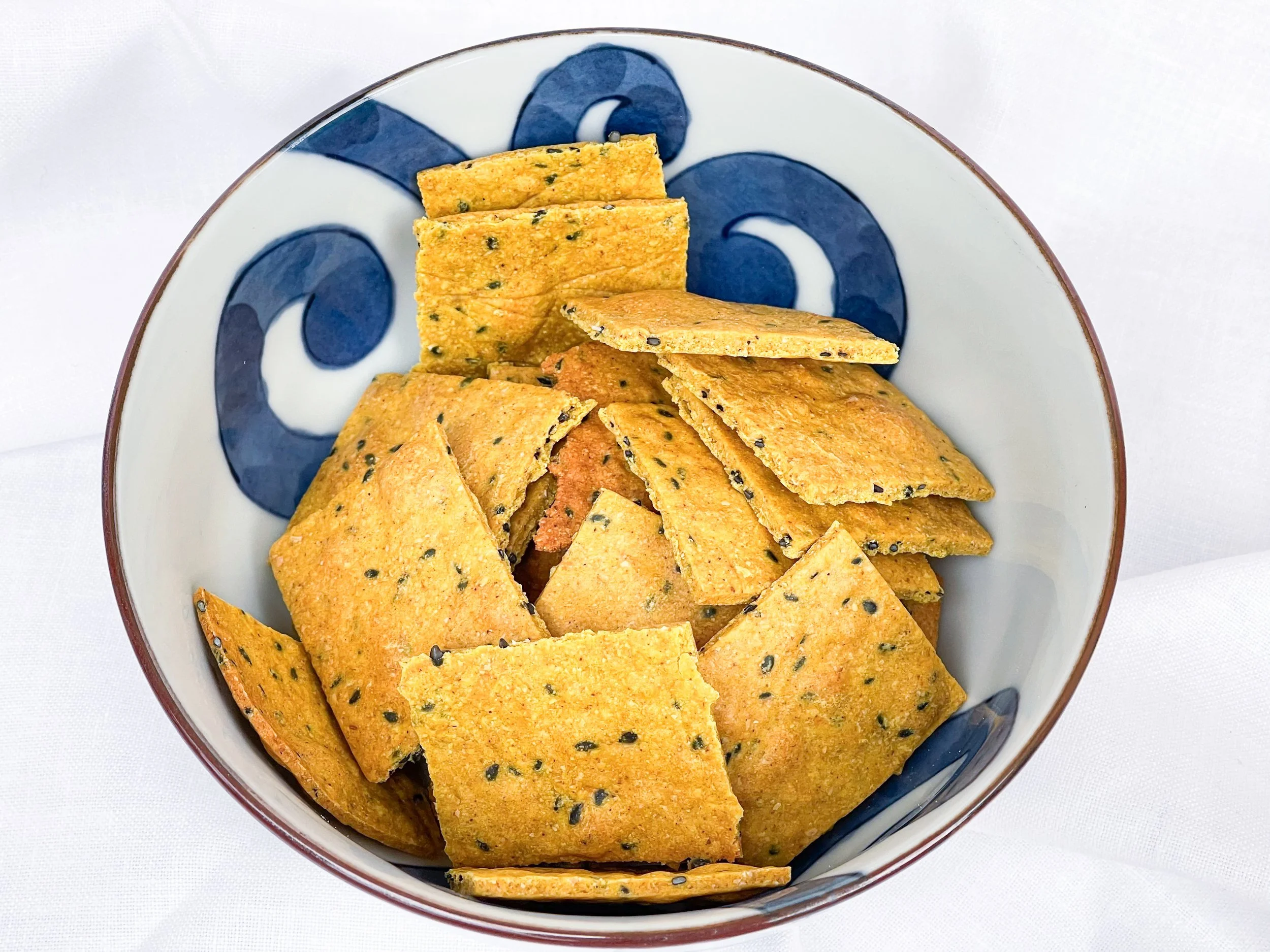
Chickpea Flour
Savory and sturdy.
Excellent for crispy crackers or a light batter for veggies and fish.
Density: Heavy and structural.
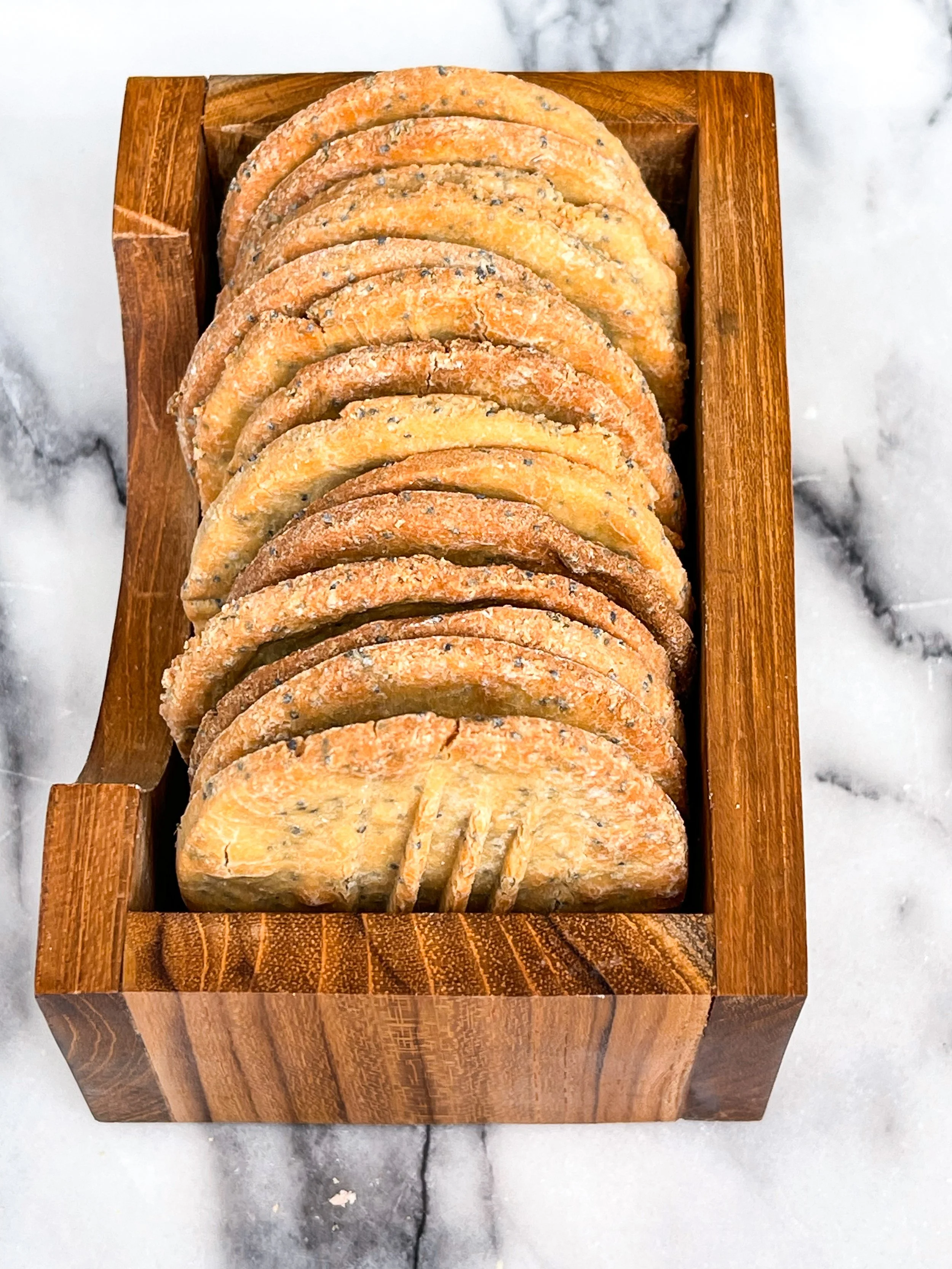
Quinoa Flour
Nutty and nutritious.
Great for crackers and protein-packed savory snacks.
Density: Fine & Delicate. I use it when I want a nutty depth without the "brick" weight of heavier bean flours.
Why is my cake falling apart?
Gluten is the "glue" of baking. Without it, you need a binder. If you skip this, your bake will crumble.
The Full Gluten Free Guide
Uncover the deep dive into the gluten-free kingdom. Discover my go-to binders, the inflammatory flours I avoid at all costs, and my secret flax ratios for the perfect crumb.
This extended guide is available exclusively for our Lemon Members. Unlock the Full Guide.
Recent Posts